Gear Reviews
Ultimate Guide to Hiking Gear: From Shoes to Backpacks

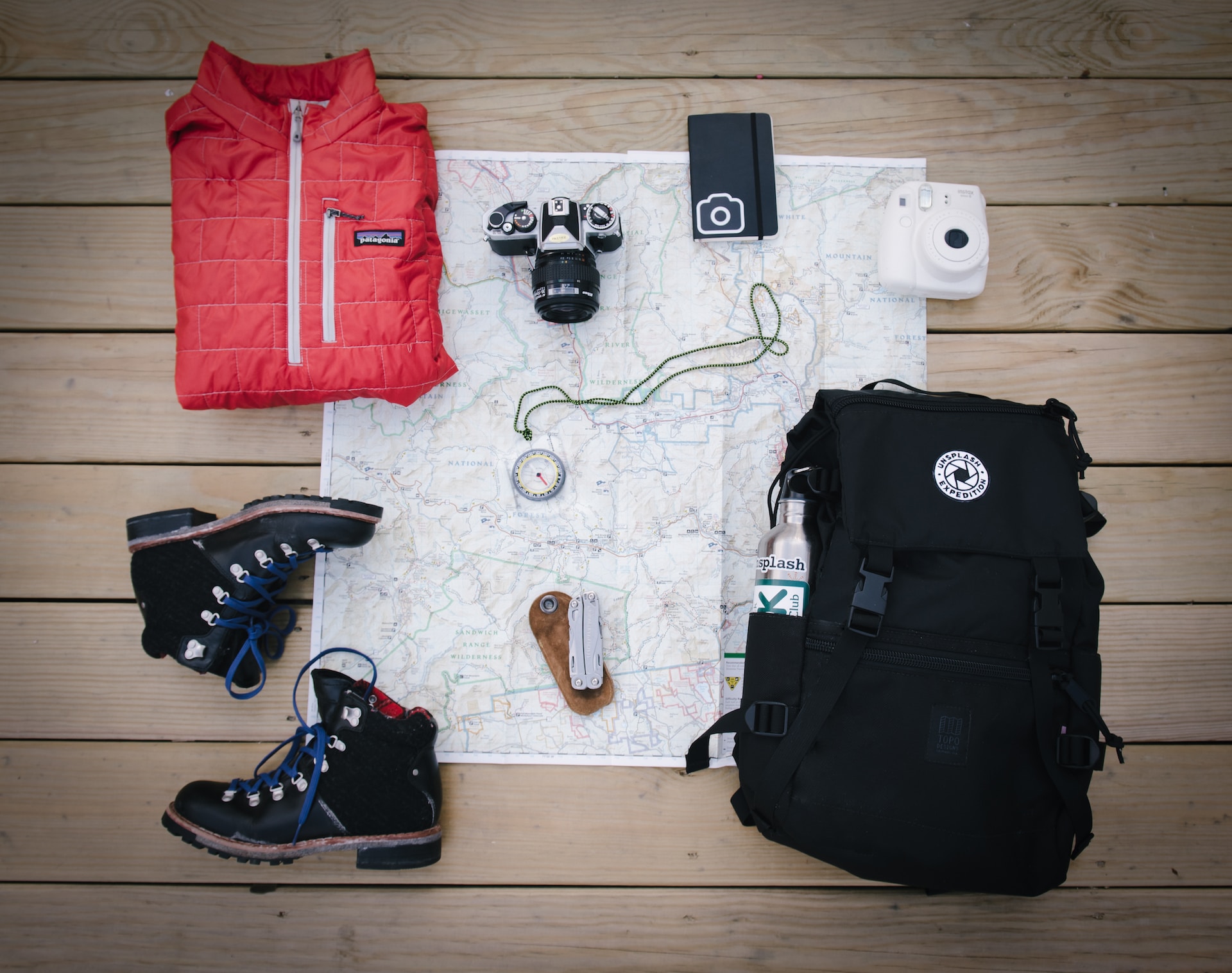
Greetings, fellow adventurers. This is Jack Morgan, your trusted guide through the wilderness of survival and preparedness. Today, we’re embarking on a journey to equip you with the knowledge you need to choose the best hiking gear, from shoes to backpacks.
Shoes
First off, your feet. They’re your most valuable asset on any hike, and the right shoes can make the difference between a memorable adventure and a painful ordeal. When choosing hiking shoes, consider the terrain you’ll be traversing. For flat and gentle trails, a pair of trail runners or light hikers will suffice. They offer flexibility, lightness, and comfort. However, if you’re heading into rocky, steep, or muddy terrain, opt for hiking boots. They provide more ankle support, excellent traction, and are typically waterproof.
Socks
Next, let’s talk socks. A good pair of socks can prevent blisters and keep your feet dry and comfortable. Merino wool is a popular choice due to its moisture-wicking and anti-bacterial properties. Avoid cotton at all costs; it retains moisture and can lead to blisters.
Clothing
Now, onto clothing. The key here is layering. A moisture-wicking base layer will keep you dry, an insulating middle layer will keep you warm, and a waterproof outer layer will protect you from the elements. Synthetic materials or wool are your best bet; avoid cotton as it absorbs moisture and takes a long time to dry.
A good pair of hiking pants is essential. They should be durable, lightweight, and offer freedom of movement. Convertible pants, which can be zipped off into shorts, are a versatile option.
Your torso requires equal attention. A moisture-wicking shirt, a warm fleece, and a waterproof jacket should be part of your hiking wardrobe. In colder weather, consider a down jacket for its excellent warmth-to-weight ratio.
Backpack
Now, let’s discuss one of the most critical pieces of your hiking gear: the backpack. The right backpack should fit your body well and have enough capacity for your gear without being excessively large. For day hikes, a 20 to 30-liter backpack is usually sufficient. For multi-day hikes, you might need anywhere from 40 to 70 liters, depending on your gear.
Choose a backpack with a supportive and adjustable harness to distribute the load evenly across your body. Look for features like a built-in rain cover, multiple compartments for organization, and hydration reservoir compatibility.
Inside your pack, consider carrying a compact first-aid kit, a multi-tool, a map and compass, a headlamp, and a whistle. Don’t forget about hydration and nutrition; pack plenty of water and high-energy snacks.
Finally, let’s not forget about the ‘ten essentials’ – a list developed by The Mountaineers, a hiking and outdoor organization, that includes navigation, sun protection, insulation, illumination, first-aid supplies, fire, repair kit and tools, nutrition, hydration, and emergency shelter. These items should be in every hiker’s backpack, regardless of the trip length.
Choosing the right gear can make your hiking experience more enjoyable and safer. Remember, the best gear for you depends on the type of hiking you plan on doing, the weather conditions, and your personal preferences.
This guide should serve as a starting point in your quest for the ultimate hiking gear. But remember, the wilderness is a demanding teacher, and experience is the best guide. So gear up, get out there, and start learning firsthand. The trails are waiting. Happy hiking, friends.



When disaster strikes, people often imagine that danger comes only from the storm, the fire, or the event itself. In reality, many injuries happen because of the decisions people make in the first minutes of an emergency. Stress, panic, and confusion can push anyone into risky behavior without realizing it. Understanding the most common mistakes can help you stay calm, think clearly, and protect yourself and your family when pressure is high.
Here are five mistakes that consistently put people in harm’s way during emergencies and how to avoid them.
1. Ignoring the First Signs of Trouble
Most emergencies do not arrive without warning. Houses give signs before smoke turns into flames. Storm alerts usually come hours before the worst conditions. Cars often send early signals before breaking down during a winter drive.
The biggest mistake people make is dismissing these early signs. They assume things will get better or that the situation is manageable. This delay can remove the precious minutes you need to escape, prepare, or call for help. Acting early is almost always safer than waiting.
2. Trying to Leave at the Wrong Time
When danger hits, some people freeze and stay too long. Others rush out too quickly. Both choices can lead to injury.
During fires, the mistake is failing to leave fast enough. Smoke spreads faster than many realize, and it can become deadly long before flames reach you.
During winter storms or floods, the mistake is trying to drive when conditions are already unsafe. Cars slide, roads close, and visibility disappears.
The key is to know your exit point. If you are told to evacuate, leave early. If staying put is safer, commit to it and avoid risky travel.
3. Using Unsafe Heat or Power Sources
In power outages or cold-weather emergencies, many injuries come from using the wrong tools indoors. People bring grills into the house. They run generators in enclosed spaces. They burn candles near flammable items. These actions lead to carbon monoxide poisoning, fires, and explosions.
The safest approach is simple. Only use indoor-safe heaters. Do not use charcoal, gas grills, or outdoor stoves inside. Keep generators outside and away from windows. Know where your smoke and carbon monoxide detectors are and make sure they work.
4. Overexerting Yourself
Emergencies often create sudden physical demands. People shovel heavy snow even though they are not used to it. They move furniture during floods. They run up and down stairs trying to rescue items instead of rescuing themselves.
Overexertion can trigger falls, muscle injuries, or heart problems. This mistake happens because adrenaline makes people feel stronger and more capable than they are.
Move deliberately. Lift slowly. Do only what is necessary to stay safe. No possession is worth an injury that leaves you helpless during a crisis.
5. Not Having a Simple Plan
When people do not have a plan, panic fills the gap. They search for flashlights in the dark. They look for a radio only after they need it. They try to remember where medications or keys are kept. Every minute wasted increases risk.
You do not need a complicated plan. Just make a short list.
- Where is your emergency kit?
- Where will you go if you need to leave?
- Who will you contact first?
- Which items do you grab if time is short?
A simple plan turns fear into clarity. It allows you to act instead of react.
Final Thoughts
Emergencies are unpredictable, but your behavior does not have to be. By recognizing these five common mistakes, you can stay calm when others panic and stay safe when situations turn dangerous. Most injuries happen because people underestimate the risk or overestimate their ability to handle it. Preparation, awareness, and a steady mindset are the most reliable tools you can carry into any crisis.

A survival bag is not just for extreme situations. It is for storms, long power outages, sudden evacuations, car breakdowns, and any moment when normal life gets interrupted. With the right gear, you can stay safe, warm, and capable until help arrives or conditions improve. The challenge is choosing what truly matters. You want items that are light, reliable, and useful in almost every type of emergency.
Here are the five essentials every survival bag should include, along with the reasons why each one can be a lifesaver.
1. A Reliable Water Source
Water is the single most important item in any survival setup. Your body cannot function without it, and in a real crisis clean water may be limited or contaminated. Pack at least one full water bottle, but more importantly, include a compact water filter or purification tablets. A small filter can turn river water, melted snow, or questionable tap water into something safe to drink. Without this, dehydration can set in quickly and make every other task harder.
2. A Quality Multi Tool
A multi tool replaces an entire toolbox when you are on the move. It gives you pliers, a knife, screwdrivers, a saw blade, scissors, and more in a single pocket-sized device. When something breaks, when you need to cut rope, when you must open a can, or when you need to repair gear on the spot, a multi tool becomes priceless. It saves space and solves dozens of problems when time matters.
3. A First Aid Kit
Emergencies often bring cuts, scrapes, sprains, or burns. A small but complete first aid kit can prevent minor injuries from turning into major problems. Pack bandages, antiseptic wipes, medical tape, pain relievers, gloves, and any personal medications you rely on. In stressful situations, it becomes easy to overlook small wounds. A first aid kit gives you what you need to clean and protect them before infection starts.
4. A Light Source That Does Not Rely on Electricity
When the lights go out, navigating in pitch darkness becomes dangerous. A flashlight or headlamp with long-lasting batteries makes a massive difference. Better yet, pack a hand crank or solar-powered light so you are not limited by battery life. Light helps you stay calm, avoid hazards, signal for help, read maps, and make decisions without guessing. Darkness turns simple tasks into risky ones. A dependable light keeps you in control.
5. A Fire Starter
Fire gives you warmth, the ability to boil water, a way to cook simple foods, and even emotional comfort during long nights. Pack waterproof matches, a lighter, or a fire striker that works even when wet. Fire can keep you warm in cold weather, dry damp clothes, scare away animals, and make you visible to rescuers. Without a way to create fire, you lose one of the oldest and most powerful survival tools humans have.
Final Thoughts
A survival bag does not have to be complicated. These five items form the foundation of real preparedness. Water, tools, light, fire, and basic medical supplies cover nearly every type of emergency scenario. You can add more items later, but starting with these ensures you are never caught completely unprepared.

When people think of survival food, they picture canned beans and powdered milk. But the truth is, some of the best emergency foods are already sitting in your kitchen, often overlooked, inexpensive, and incredibly durable. If you ever found yourself without power or supplies, these humble staples could keep you alive and even satisfied.
1. Instant Mashed Potatoes
They may not sound glamorous, but instant mashed potatoes are lightweight, filling, and require only hot water. They provide energy fast and pair with almost anything, such as canned meat, beans, or even just broth. They are also comfort food when morale is low.
2. Hardtack (The Original Survival Bread)
Used by sailors and soldiers for centuries, hardtack is simply flour, salt, and water baked until rock hard. It lasts for decades if stored dry. Dip it in soup or coffee to soften. It’s not fancy, but it can keep you going when everything else runs out.
3. Powdered Drink Mixes
In a crisis, staying hydrated is as much psychological as physical. Adding flavor packets to water helps you drink more and replenishes electrolytes if you’re sweating or under stress. Gatorade powder or vitamin mixes are smart additions to any prepper pantry.
4. Ramen Noodles
Cheap, compact, and calorie-dense, ramen is a modern survival classic. It cooks in minutes with just hot water. Add canned vegetables or eggs to make it more nutritious. Ignore the “junk food” stigma because in an emergency, energy matters more than gourmet.
5. Popcorn Kernels
It’s not just a snack; popcorn is a whole grain that can last indefinitely when stored properly. It’s light, versatile, and boosts morale. You can pop it over a campfire, eat it plain, or even crush it into flour for baking.
6. Cooking Oils and Fats
Oil provides essential calories and helps you cook, but most people forget it spoils over time. Stock smaller sealed bottles of olive oil, coconut oil, or ghee. Fats are vital for energy and nutrient absorption during long-term survival.
7. Powdered Soup Mixes
Instant soup packets or bouillon cubes turn plain rice or pasta into a meal. They add flavor, salt, and warmth, small comforts that make hard times bearable. Plus, they last for years when sealed and kept dry.
8. Seeds for Sprouting
When fresh vegetables disappear from shelves, sprouting seeds like alfalfa or mung beans can provide living, nutrient-rich food in just a few days with no garden needed. You can grow them in a jar on your counter.
9. Jerky and Dehydrated Meats
Protein is survival gold. Jerky stores well, requires no refrigeration, and provides essential amino acids. Make your own or buy vacuum-sealed packs, but rotate every six months to keep it fresh.
10. Coffee and Tea
Caffeine may not be essential for survival, but it’s essential for sanity. A hot cup can bring normalcy and focus when the world feels unstable. Stock instant coffee, tea bags, or green tea powder since they last years and take almost no space.
The Takeaway
Survival food isn’t about eating bland mush; it’s about balance, energy, and comfort. A thoughtful mix of shelf-stable staples and morale boosters makes all the difference in an emergency. The key is rotation: eat what you store and store what you eat. That way, when disaster hits, you’re not just surviving, you’re living smart.
-

 Tactical2 years ago
70-Year-Old Fends Off Intruder with Lead-Powered Message
-
 Tactical2 years ago
Vape Shop Employee Confronts Armed Crooks, Sends Them Running
-

 Preparedness1 year ago
Ex-Ballerina’s Guilty Verdict Sends Tremors Through Gun-Owner Community
-
 Off The Grid2 months ago
10 Foods That Could Save Your Life When Grocery Shelves Are Empty
-

 Preparedness1 year ago
Good Samaritan Saves Trooper in Harrowing Interstate Confrontation
-

 Nature and Wildlife1 month ago
10 Survival Skills You Should Learn Before You Need Them
-

 Tactical2 years ago
Midnight SUV Theft Interrupted by Armed Homeowner’s Retaliation
-
 Preparedness5 months ago
How Much Gasoline Should You Store for Emergencies?
John Doe
February 4, 2025 at 10:41 am
This article provides a comprehensive overview of hiking gear.