Tactical
Top Handguns for Personal Protection in the Wilderness

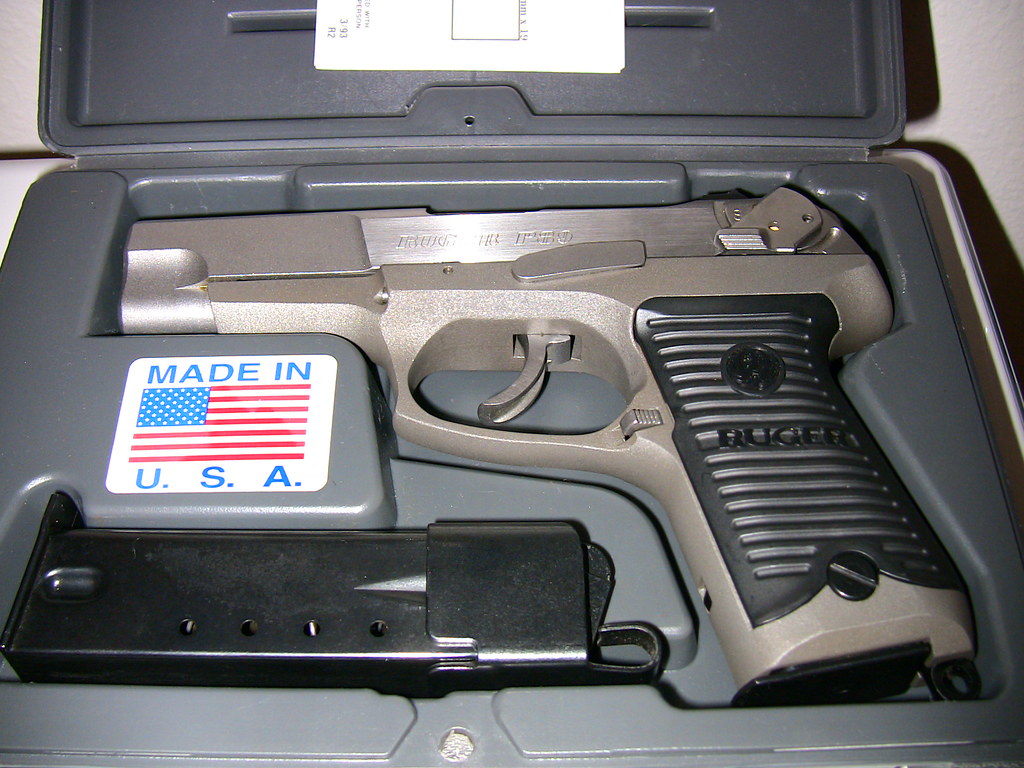
When it comes to venturing into the great outdoors, personal protection should always be a top priority. The wilderness can be a beautiful and exhilarating place, but it can also pose unexpected challenges and dangers. As someone who has lived and thrived in the wilderness, I understand the importance of being prepared for any situation.
One essential tool that every outdoorsman should consider is a reliable and effective handgun for personal protection. While there are numerous options available on the market, today I will share with you some of the best handguns that will serve you well in the wild.
1. Glock 20:
The Glock 20 is a powerhouse when it comes to handguns. Chambered in 10mm Auto, it offers excellent stopping power and is known for its reliability. The high capacity magazine allows for more rounds, giving you confidence in the face of danger. Additionally, the Glock 20’s durability makes it suitable for rough outdoor environments.
2. Smith & Wesson 686:
For those who prefer a revolver, the Smith & Wesson 686 is a fantastic choice. Chambered in .357 Magnum, this reliable and sturdy handgun can take on any challenge. Its double-action trigger provides a smooth and consistent pull, allowing for accurate and controlled shots. The versatility of the .357 Magnum also allows you to use .38 Special ammunition, giving you more ammunition options in the wild.
3. Ruger Super Redhawk:
With its iconic look and superb performance, the Ruger Super Redhawk is an excellent choice for personal protection in the wild. Available in various calibers, including .44 Magnum and .454 Casull, this revolver packs a serious punch. The Super Redhawk’s rugged design and adjustable sights make it a reliable companion in any outdoor adventure.
4. Sig Sauer P229:
If you favor a compact and lightweight semi-automatic handgun, the Sig Sauer P229 is worth considering. Chambered in .40 S&W or .357 SIG, this handgun offers a balance of power, accuracy, and reliability. Its durable construction and ergonomic design make it comfortable to carry and easy to handle during long hikes or camping trips.
5. Kimber 1911:
No list of the best handguns would be complete without mentioning the classic Kimber 1911. Chambered in .45 ACP, this timeless semi-automatic pistol has proven itself in countless situations. With its solid construction and exceptional accuracy, the Kimber 1911 is a reliable choice for personal protection in the wild.
Remember, choosing the best handgun for personal protection is a matter of personal preference and comfort. It is crucial to practice proper firearm safety and receive adequate training before taking your firearm into the wilderness. Always familiarize yourself with local laws and regulations regarding carrying firearms in the areas you plan to visit.
Having a trusted and effective handgun at your side can provide peace of mind and increase your chances of staying safe in the wild. But remember, a firearm is only a tool. It’s essential to develop a mindset of situational awareness, preparedness, and respect for nature. Trust your instincts, be aware of your surroundings, and, most importantly, prioritize your safety.
So, if you’re planning your next outdoor adventure, don’t forget to choose a handgun that suits your needs and equips you to handle any situation that may arise. Stay safe, be prepared, and embrace the wild with confidence.
Keep exploring!


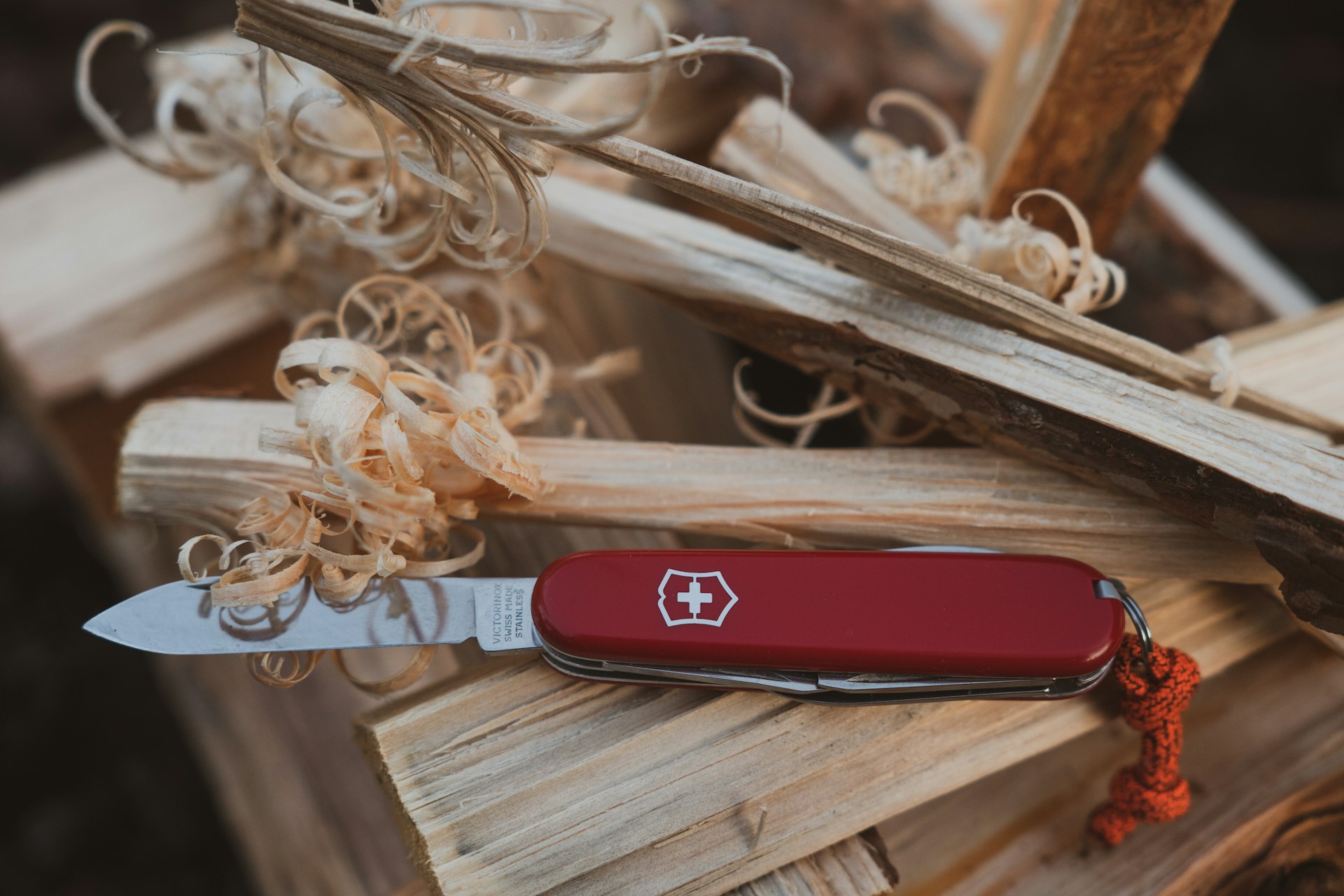
When life gets unpredictable, the most valuable tool you can carry isn’t a gadget or a stockpile — it’s a skill. The right skills turn fear into focus and confusion into action. They help you stay steady when others panic, and they give you choices when things start to fall apart.
Here are five survival skills that genuinely put you back in control, no matter what kind of crisis you face.
1. Knowing How to Stay Warm the Smart Way
Survival isn’t always about the cold — it’s about losing heat faster than you can replace it.
Most people instinctively reach for more clothing, but the real skill is understanding heat management:
- Layer light clothing instead of heavy pieces
- Keep your core warm above everything else
- Block wind before adding warmth
- Stay dry — moisture is the real enemy
Once you understand how your body loses heat, you’re no longer at the mercy of the weather. You can stay warm with less gear, fewer resources, and far more confidence.
2. The Ability to Find or Purify Water Anywhere
Water goes from “background convenience” to “critical priority” very quickly in a crisis.
Knowing how to locate water — and make it safe — puts you in control in ways most people overlook.
Useful methods include:
- Collecting rainwater safely
- Using common household items (coffee filters, bleach, boiling)
- Identifying safe natural sources
- Avoiding contaminated runoff
Even simple techniques can transform questionable water into something drinkable. Skill beats equipment here.
3. Staying Calm When Everyone Else is Losing Their Head
The most powerful survival skill isn’t physical — it’s mental.
Panic narrows your vision. Calm thinking widens your options.
People who stay calm can:
- Communicate clearly
- Make better decisions
- Notice escape routes others miss
- Work through problems step by step
This is the skill that makes every other skill work. You don’t need superhuman nerves — just practice, breathing control, and a habit of slowing down before you react.
4. Basic First Aid You Can Use Immediately
You don’t need to be a medic to save a life.
A handful of basic skills — stopping bleeding, cooling burns, spotting infection, supporting a sprain — can change the outcome of an emergency dramatically.
Most people freeze because they’re unsure what to do.
Learning even a few practical steps puts you in control when someone gets hurt and professional help is still far away.
5. Knowing How to Create Light, Signal, or Get Attention
Darkness is disorienting. Silence is even worse.
If you can create light or send a signal, you regain control over your surroundings.
A few valuable abilities include:
- Using reflective surfaces to signal
- Knowing how to start a safe fire
- Making noise that carries distance
- Using everyday items (flashlights, whistles, phones) efficiently
Light and sound turn you from “isolated” to “visible,” and visibility is power in any crisis.
Final Thought
Control doesn’t come from luck. It comes from preparation you can use anywhere — skills that stay with you whether you’re at home, on the road, or caught in a situation you never expected.
When you understand how to think clearly, stay warm, find water, treat injuries, and get attention when needed, you’re not just surviving… you’re directing the moment.
Not every dangerous moment involves a direct confrontation. Sometimes the real threat is confusion, panic, or not knowing what to grab when you need to react fast. Your home already has simple items that can help you stay oriented, stay calm, and get out safely if something goes wrong — whether it’s a break-in, a fire, or any unexpected emergency.
Here are five everyday things that can quietly strengthen your safety plan without feeling like “preparedness gear.”
1. A Pair of Shoes You Can Slip On Fast
This sounds almost too simple, but it’s one of the most overlooked safety tools in any house.
If you need to leave in a hurry — even just to get outside and call for help — you don’t want to waste time with laces or walk barefoot over broken glass, cold pavement, or debris. Keep a sturdy slip-on pair by your bed. It’s a small habit that can make a huge difference.
2. A Charged Old Phone
Even a disconnected phone can still call 911.
If you have an old smartphone in a drawer, charge it and leave it in your bedroom or a hidden spot. During an emergency, your main phone might be out of reach, dead, or taken. Having a backup gives you a second chance to call for help.
3. A Mini Flashlight on Your Nightstand
Power outages often happen at the worst moments. A small flashlight helps you see where you’re stepping, find your keys, or check on a noise without stumbling around in the dark. It also helps you avoid tripping hazards if you need to move quickly. Choose a compact LED one and keep it in the same spot every night.
4. A Loud Whistle
If you can’t shout, or your voice doesn’t carry far, a whistle can be your lifeline.
It cuts through walls, hallways, and even outdoor distance better than yelling. Whether you’re trying to alert a neighbor, scare off an intruder, or signal for help during a medical emergency, a whistle is one of the most underrated tools for personal safety.
5. A Written “Quick Escape Plan”
You don’t need blueprints — just a simple index card taped inside a drawer or next to your nightstand.
Write down:
• Your fastest exit routes
• Where your keys always stay
• Where your phone and flashlight stay
• A reminder to put on shoes
• Who to call first
In a panic, people forget steps. A small card keeps your mind focused and your actions clear.
Final Thought
Self-protection starts long before danger shows up. It’s not about preparing for a fight — it’s about preparing to move, think, and react in a way that keeps you safe.

Most people don’t keep traditional self-defense tools around the house, but that doesn’t mean you’re helpless in an emergency. The truth is, you already own simple items that can give you precious seconds to get away, call 911, or draw attention. The key is knowing what works, what’s legal, and how to use these items only to defend yourself when you have no other choice.
Here are five practical household items that can help you stay safe during a threatening situation:
1. A Heavy-Duty Flashlight
A solid, metal flashlight is one of the best non-lethal tools you can keep within reach.
It serves two purposes:
• The bright beam can disorient someone long enough for you to escape.
• The sturdy body gives you something to hold if you need to keep distance between yourself and a threat.
Keep one by your bed and another near your front door.
2. A Loud Personal Alarm or Air Horn
Sometimes the strongest defense is noise. A personal alarm or small air horn can draw attention fast and frighten off an intruder. These devices are inexpensive, easy to use, and require no physical strength. They also alert neighbors that something is wrong, which can shorten response time dramatically.
3. A Strong Walking Cane
For older adults especially, a cane can be surprisingly effective for self-defense if absolutely needed. Its length helps you create distance, and its solid structure gives you a way to push someone back without having to get close. Even if you don’t use a cane daily, keeping one near your bedroom can be smart.
4. A Fire Extinguisher
Beyond its intended use, a fire extinguisher can help you defend yourself in two ways:
• The blast of spray can temporarily block vision and breathing, allowing you to escape.
• Its weight gives you something sturdy to hold while you retreat.
Plus, it’s already a safety essential for your home.
5. A Kitchen Pan or Lid
If you’re caught in the kitchen, a heavy pan or even a metal pot lid can create an effective barrier. A lid works like a small shield, helping you protect your face and upper body as you move away. A pan gives you something solid to hold between you and a threat.
A Final Note on Safety
Self-defense is always about getting away safely, not engaging in a fight. Your first options should always be:
• Avoid the situation
• Lock or barricade a door
• Call for help
• Get to safety
Use objects only as a last resort and only to give yourself time to escape.
-
 Tactical2 years ago
70-Year-Old Fends Off Intruder with Lead-Powered Message
-
 Tactical2 years ago
Vape Shop Employee Confronts Armed Crooks, Sends Them Running
-

 Preparedness1 year ago
Ex-Ballerina’s Guilty Verdict Sends Tremors Through Gun-Owner Community
-

 Off The Grid2 months ago
10 Foods That Could Save Your Life When Grocery Shelves Are Empty
-

 Preparedness1 year ago
Good Samaritan Saves Trooper in Harrowing Interstate Confrontation
-

 Nature and Wildlife1 month ago
10 Survival Skills You Should Learn Before You Need Them
-
 Tactical2 years ago
Midnight SUV Theft Interrupted by Armed Homeowner’s Retaliation
-
 Preparedness5 months ago
How Much Gasoline Should You Store for Emergencies?
Felix Famularo
November 23, 2023 at 4:04 pm
Prefer a 9mm. Ammo easier to acquire. More people have it and might be likely to share a few rounds if necessary. Sig Sauer model P365 XL is my carry.
Charles Evering
December 15, 2023 at 2:08 pm
Which ever one you have is the one to have, but 9mm are best since most police and militaries carry them
Tom
April 28, 2024 at 6:20 pm
Taurus Raging Hunter in .460S&W.
With proper bullet placement will disable anything up to a T-Rex.
Nick
July 28, 2024 at 12:24 pm
Remember it’s not the pen it’s the penmanship that counts!
Gerald Fontenot
August 29, 2024 at 11:46 am
Get a weapon that feels good when you have it in your hand and that you can shoot comfortably with accuracy.